
Vegetables
- 3 firm tomatoes
- 1 cucumber
- 6 radishes
- 1 romaine heart
Seasonal, firm and well dried.
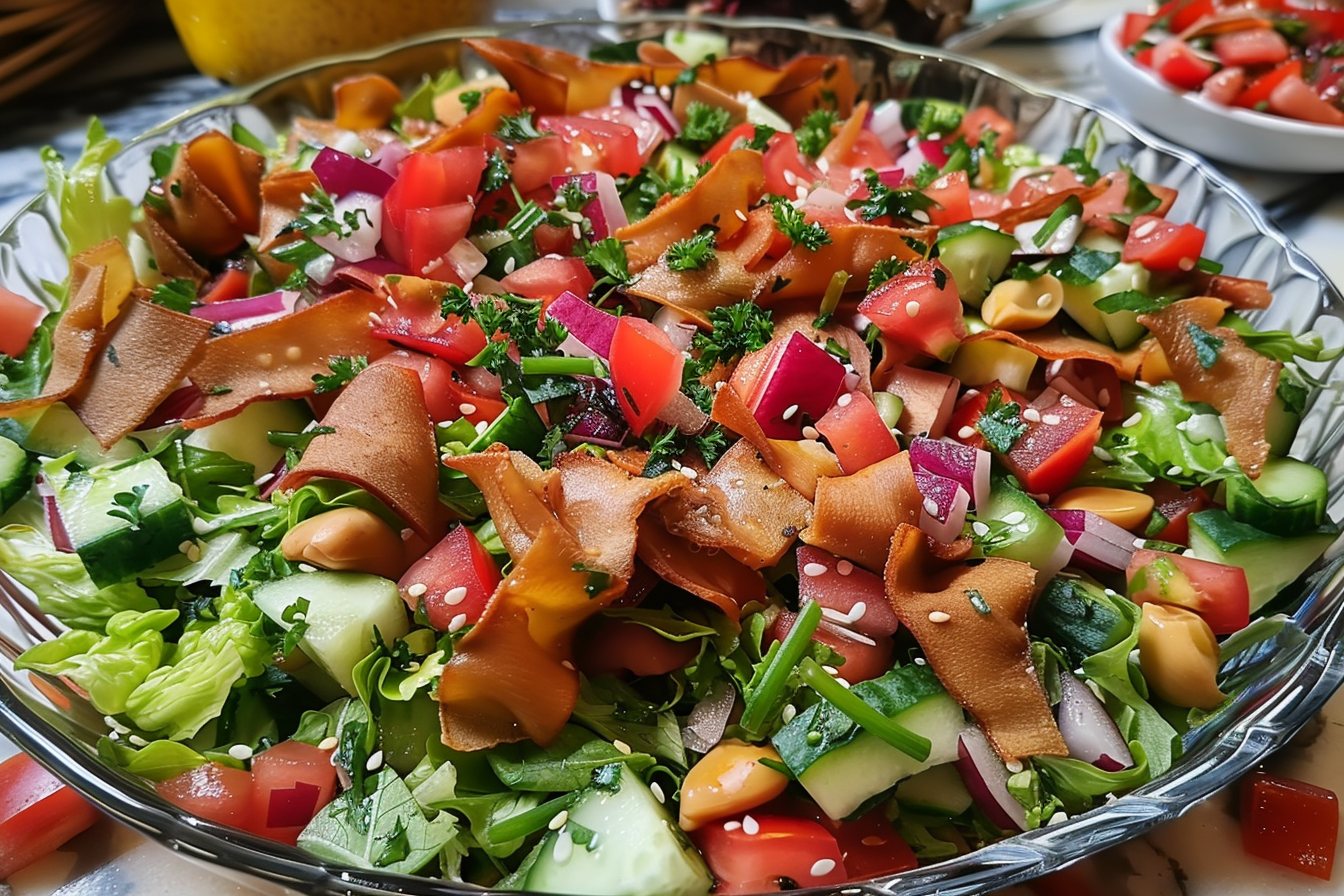
The crunchy, tangy counterpart to tabbouleh: chunky vegetables, fresh herbs, a sumac and pomegranate molasses dressing, and bread that stays crisp.
Fattoush is a Lebanese salad of raw vegetables and herbs, dressed with olive oil, lemon, sumac and pomegranate molasses, then topped with toasted or fried Lebanese bread. The one rule: add the bread at the very last moment so it stays crisp. Allow about 30 minutes for 4 people. It is vegetarian and, without cheese, fully plant-based.
In Lebanon, fattoush is the everyday salad, born so that yesterday's bread would not go to waste.
At Le Cèdre we see it as the crunchy, tangy counterpart to tabbouleh. Here is a version that holds up on the table.
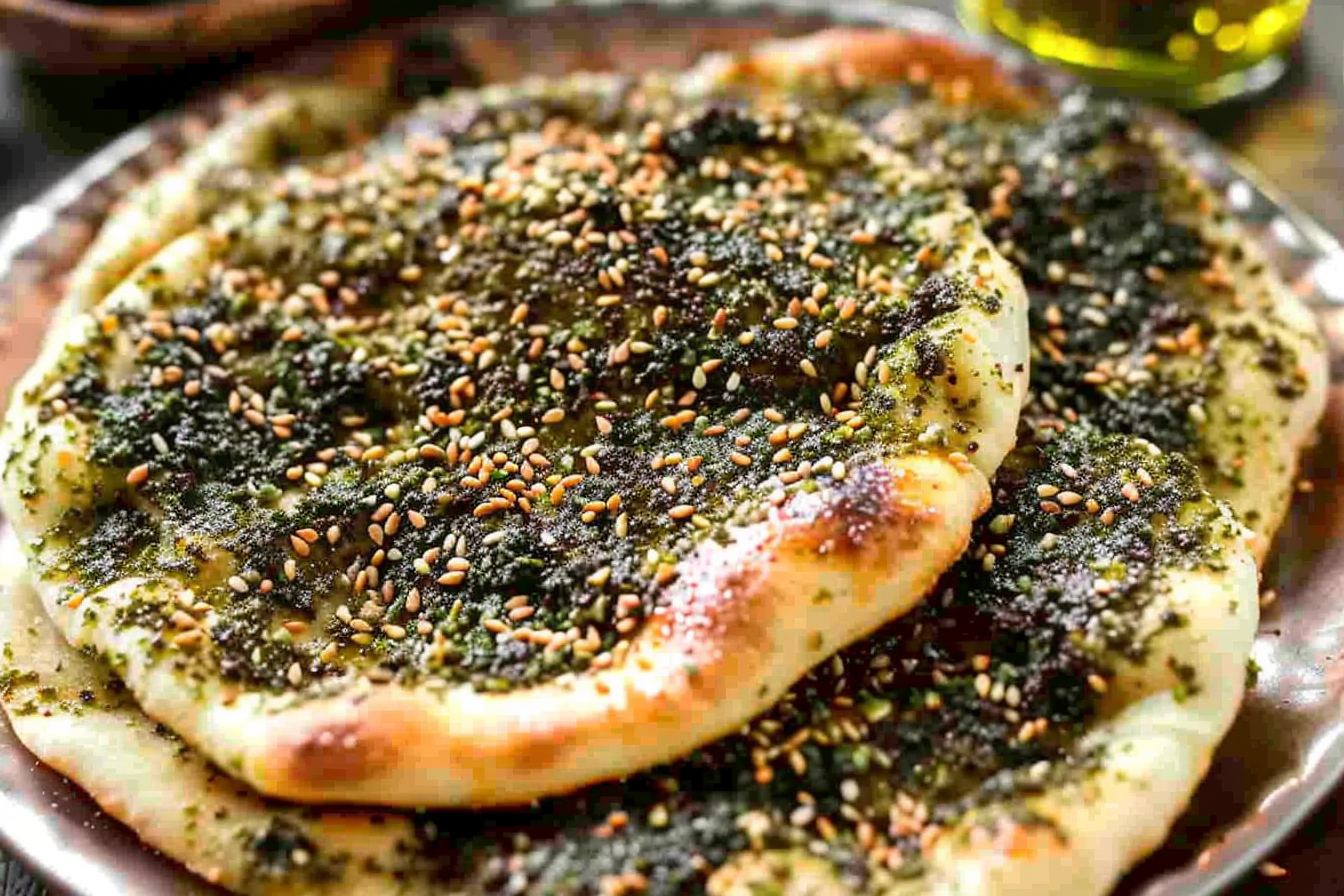
A peasant dish from the Levant, made to use up stale flatbread.
The name comes from the Arabic fatt, to crumble bread.
It sits among the cold mezze, next to hummus, moutabal and tabbouleh.
Both share parsley, tomato, lemon and olive oil, yet their logic is opposite.
Tabbouleh is an herb salad with a little bulgur; fattoush is a chunky vegetable salad with bread, sumac and pomegranate molasses.
| Fattoush | Tabbouleh | |
|---|---|---|
| Base | Chunky raw vegetables | Finely chopped parsley |
| Starch | Toasted or fried bread | Fine bulgur |
| Acidity | Lemon, sumac, pomegranate molasses | Lemon |
For the herb version, follow our Lebanese tabbouleh recipe.
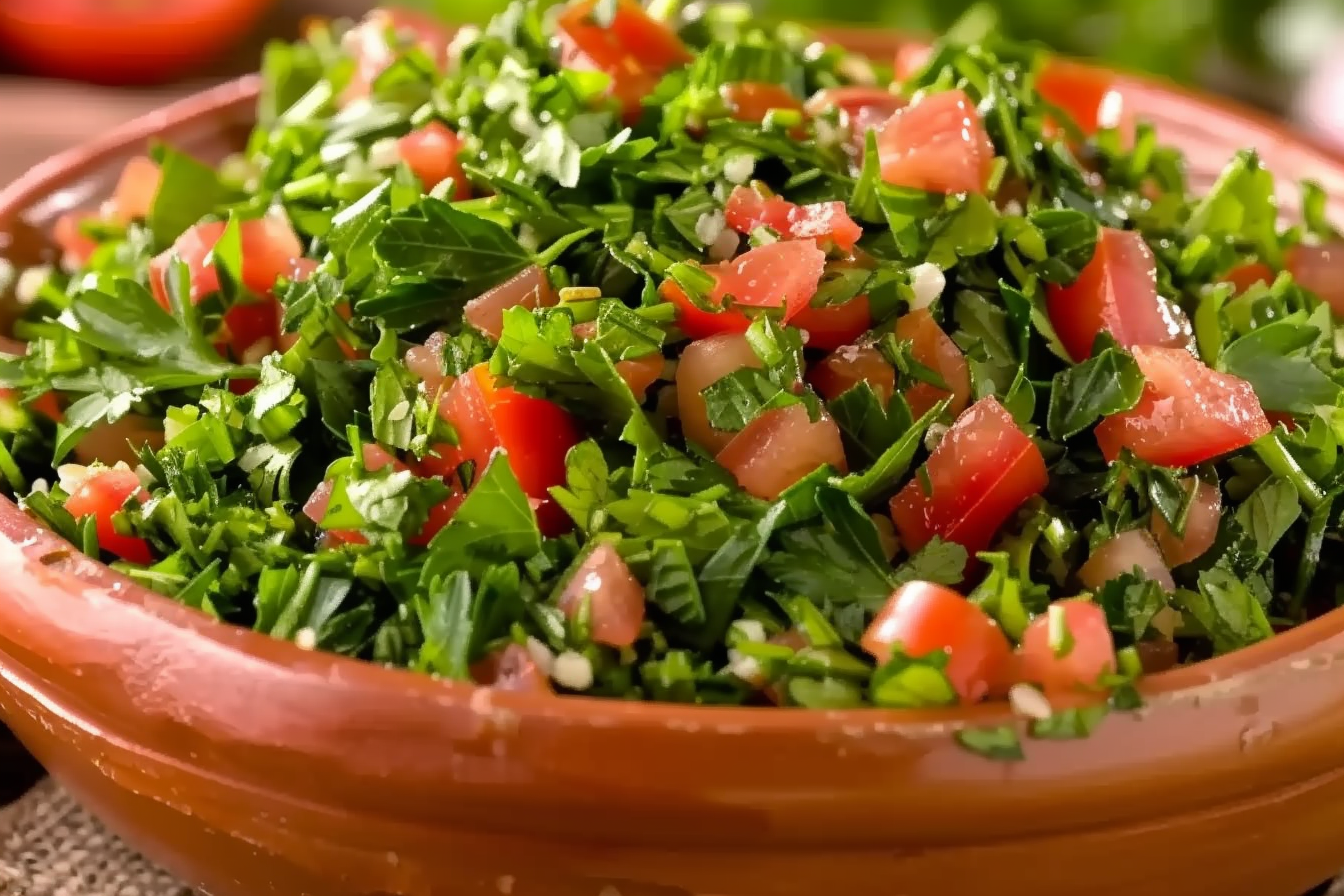
Fresh, dry produce in four groups: vegetables, herbs, bread and dressing.
Serves 4 · about 30 min · no cooking except the bread
Seasonal, firm and well dried.
No purslane? Use lamb's lettuce, baby spinach or watercress.
Oven-toasted is lighter; fried resists the dressing best.
Sumac and pomegranate molasses are the signature of fattoush.
Bread first, assembly last, right before serving.
Split, cut into squares, toss with oil and bake at 200 °C for 8 to 10 minutes. Let cool.
Dry vegetables and herbs thoroughly.
Bite-size pieces, never a fine dice.
Whisk garlic, salt, lemon, molasses, sumac and olive oil.
Dress the vegetables, add the bread, sprinkle sumac and serve at once.
A failed fattoush is almost always a soggy one.
Keep it aside until serving.
Coat, don't drown.
Dry everything carefully.
In Middle Eastern grocery stores, world-food aisles and online spice shops.
Choose a molasses made only from reduced pomegranate juice, and a fresh, deep-red sumac.
Purslane is found at summer markets.
On a mezze platter next to hummus and baba ganoush, or as a fresh counterpoint to grilled meat.
See how to arrange a mezze platter and our must-try mezze.
To make the rest yourself, start with our Lebanese hummus recipe.
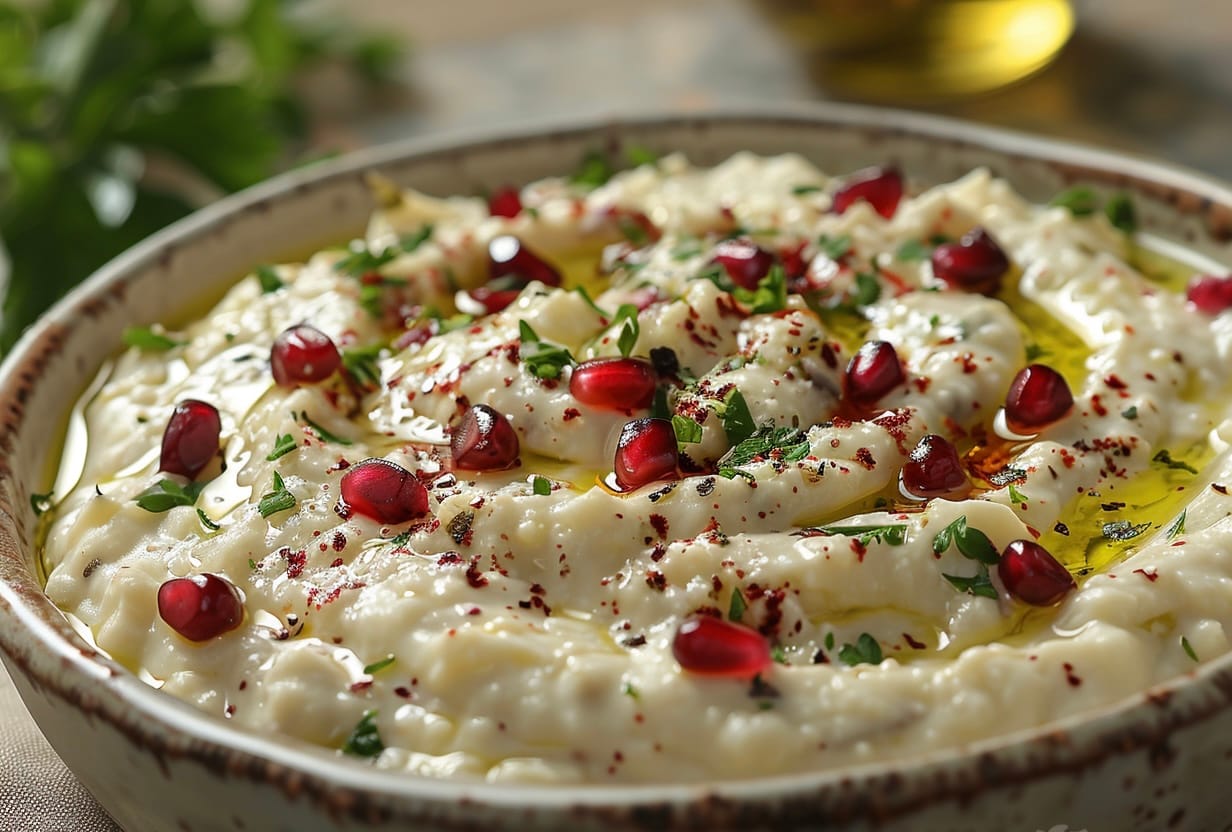
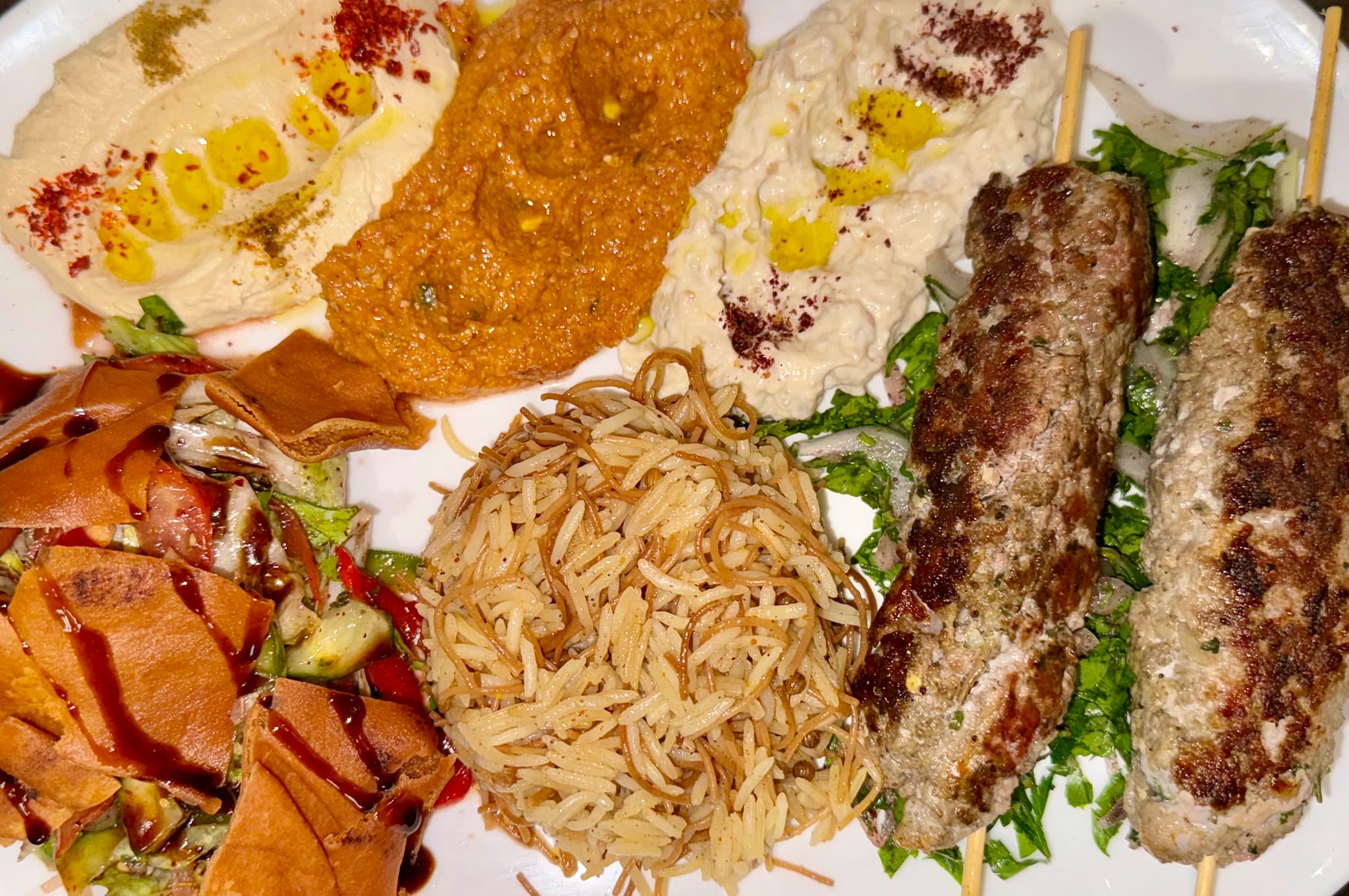
A spoonful of creamy, a bite of crunch: fattoush is made to be shared among other mezze.
Three variations that keep the spirit of the dish.
Cherry tomatoes, white cabbage and pomegranate seeds.
Roasted sumac chickpeas for crunch.
Pan-seared halloumi added at the last minute.
Classic fattoush is vegetarian and fully plant-based without cheese. See our vegetarian dishes.
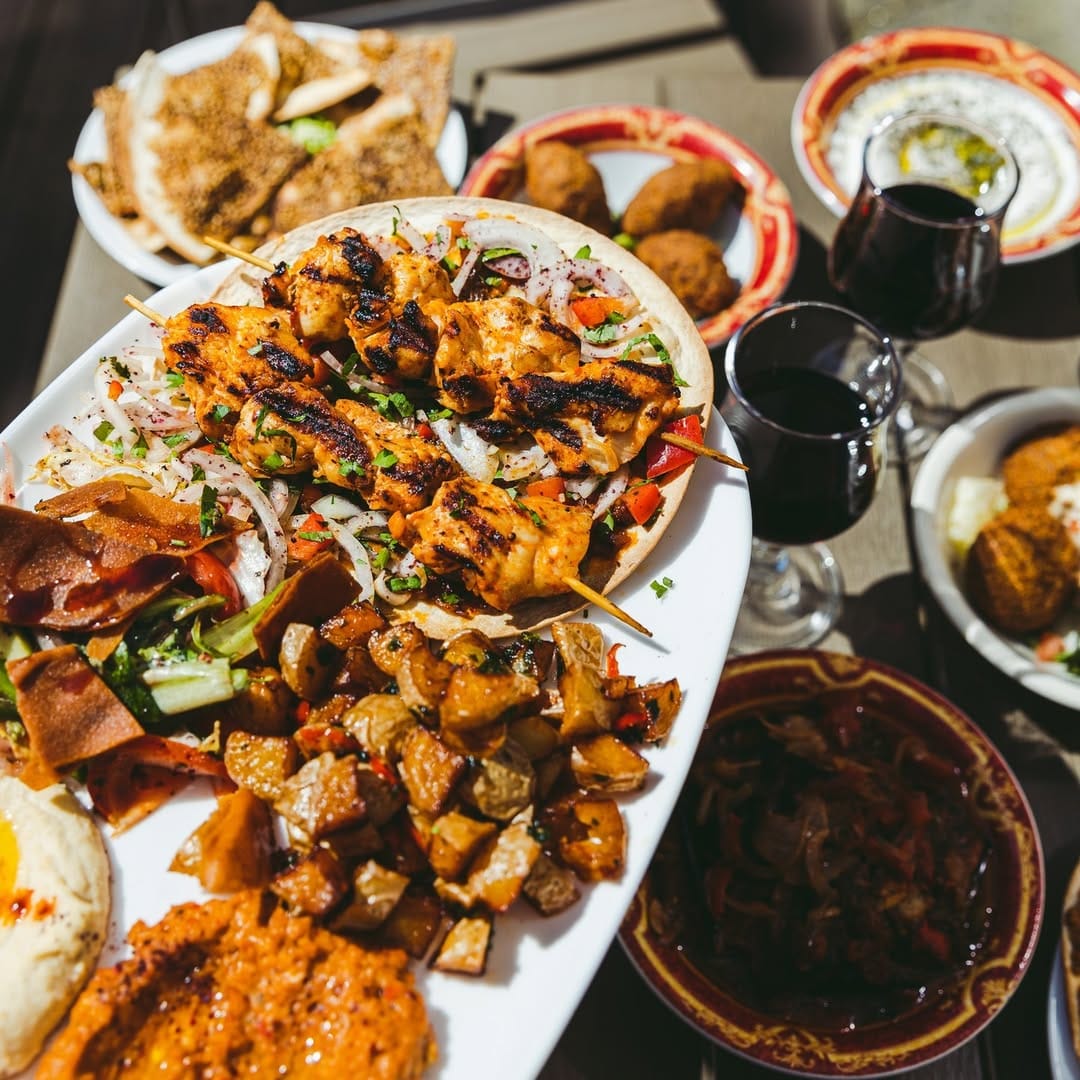
Nantes' first Lebanese restaurant, rue Kervegan since 1988, almost everything homemade. Fattoush is among our cold starters.
Come and share it with our other homemade cold mezze.
Prepare vegetables, dressing and bread separately; assemble at serving time.
Keep components apart; once dressed with bread it goes soggy quickly.
Grated lemon zest with a little juice, as a stopgap.
Yes, the classic recipe is fully plant-based.
It is a light salad; oil quantity and fried bread make the difference.