
Chickpeas
The base and body. Well cooked, they give a puree that holds without being heavy.
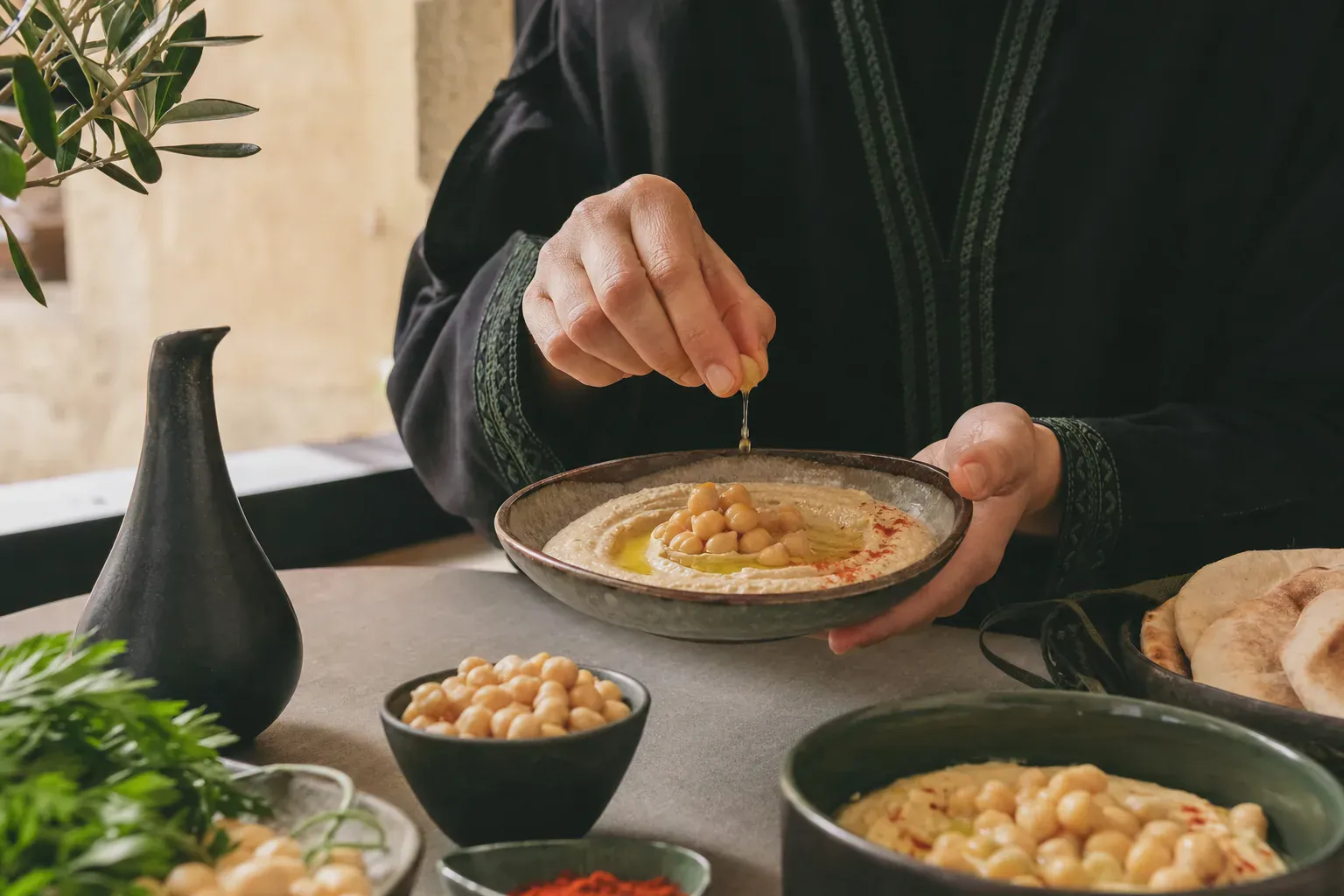
For us, hummus is a signature, not a side. Here is our homemade recipe step by step, the secret to its silkiness, and the clarity no one really gives online: hummus, moutabal or baba ganoush, who is who.
Lebanese hummus is a smooth chickpea puree whipped with tahini, lemon, garlic and olive oil. Its silkiness comes from truly well-cooked chickpeas, good tahini and long blending. Do not confuse it with moutabal and baba ganoush, both based on smoky grilled eggplant. We have made it fresh in Nantes since 1988.
Hummus is an Arabic word that simply means chickpea. It names this cold, smooth puree where chickpea meets tahini, a nutty sesame cream.
Its roots are Levantine, from Beirut to Damascus. In Lebanon it belongs to everyday life as much as to feasts.
Its true place is at the heart of the mezze, the anchor of gentleness around which the livelier flavours turn.
Want the full logic of that table? Read our guide what is a mezze?
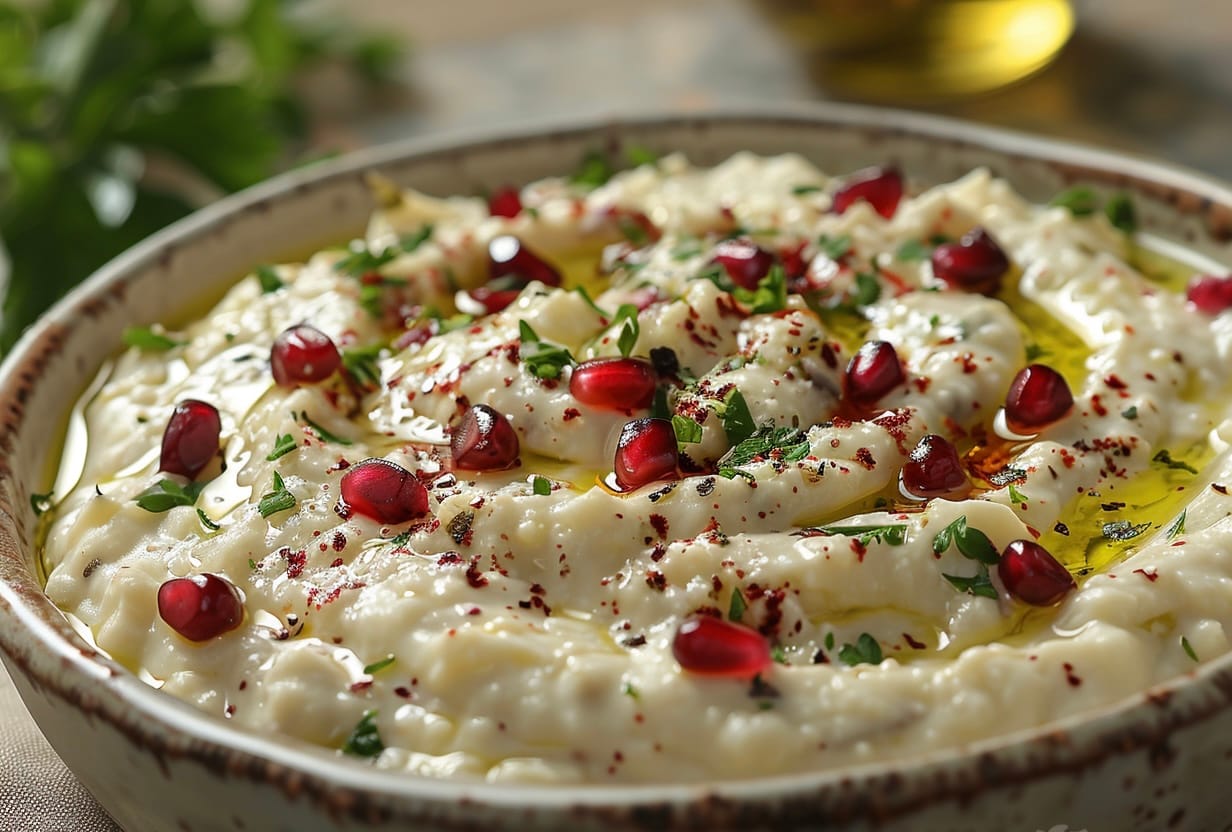
Hummus is a lesson in humility: five or six ingredients, no more. Which is exactly why each one matters.
The base and body. Well cooked, they give a puree that holds without being heavy.
Sesame cream that brings the silkiness and the signature nutty note.
The freshness and acidity that keep the puree lively.
The gentle background heat, used with restraint.
Roundness and shine, drizzled generously at serving.
The final seasoning that ties everything together.
Nothing exotic: real hummus is about quality and balance, not a secret ingredient.
This is the method, not exact grams: the real Lebanese gesture is adjusted to taste.
Soak dried chickpeas overnight in plenty of water.
Cook them long, until they crush easily between two fingers.
Set aside a few whole chickpeas and some cooking water.
Blend the still-warm chickpeas with the garlic.
Add tahini, lemon juice and cold cooking water, then blend long.
Adjust salt, lemon and a touch of cumin until perfectly smooth.
Spread in a well, drizzle olive oil, top with chickpeas and paprika.
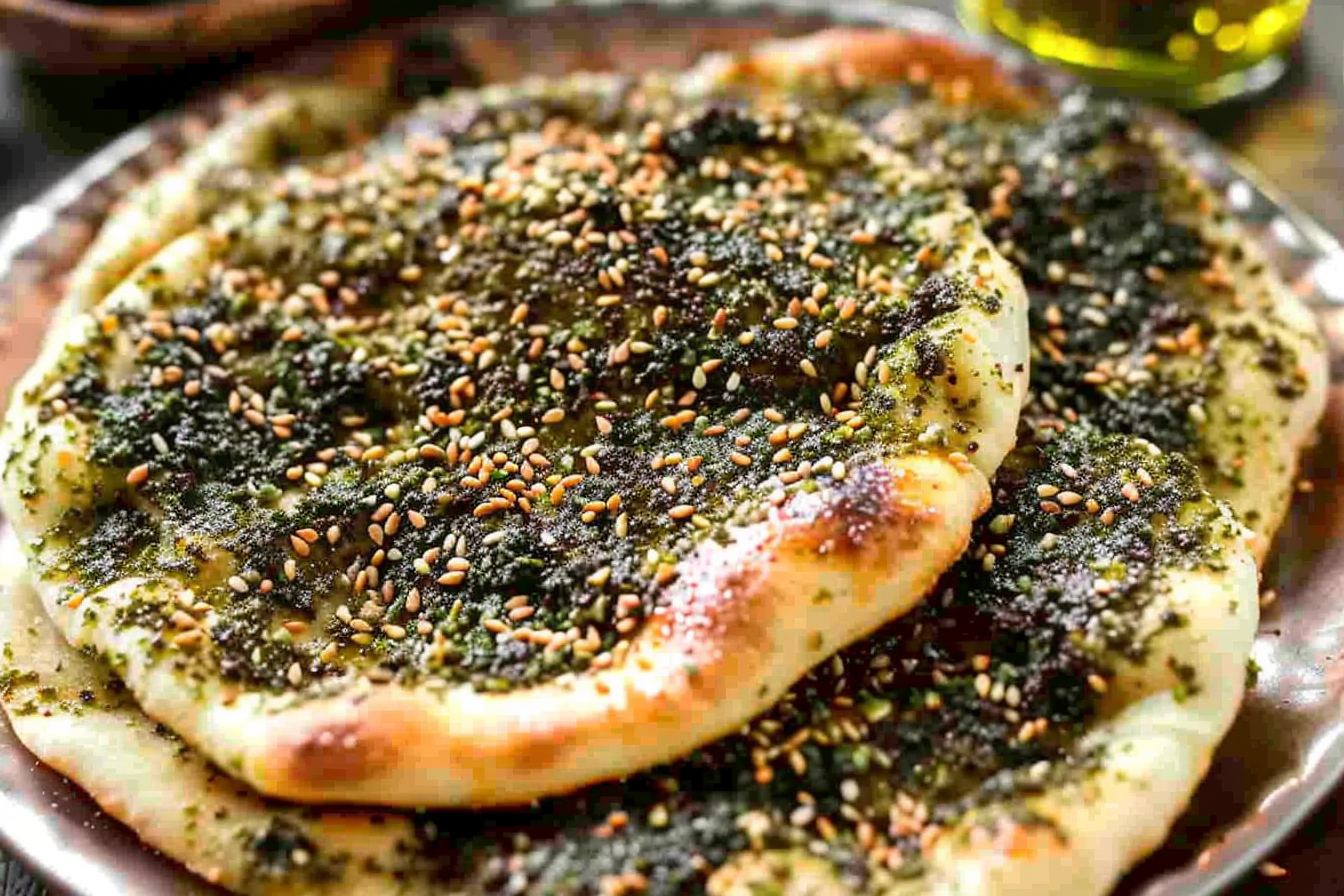
Serve slightly cool, never icy, with warm Lebanese bread.
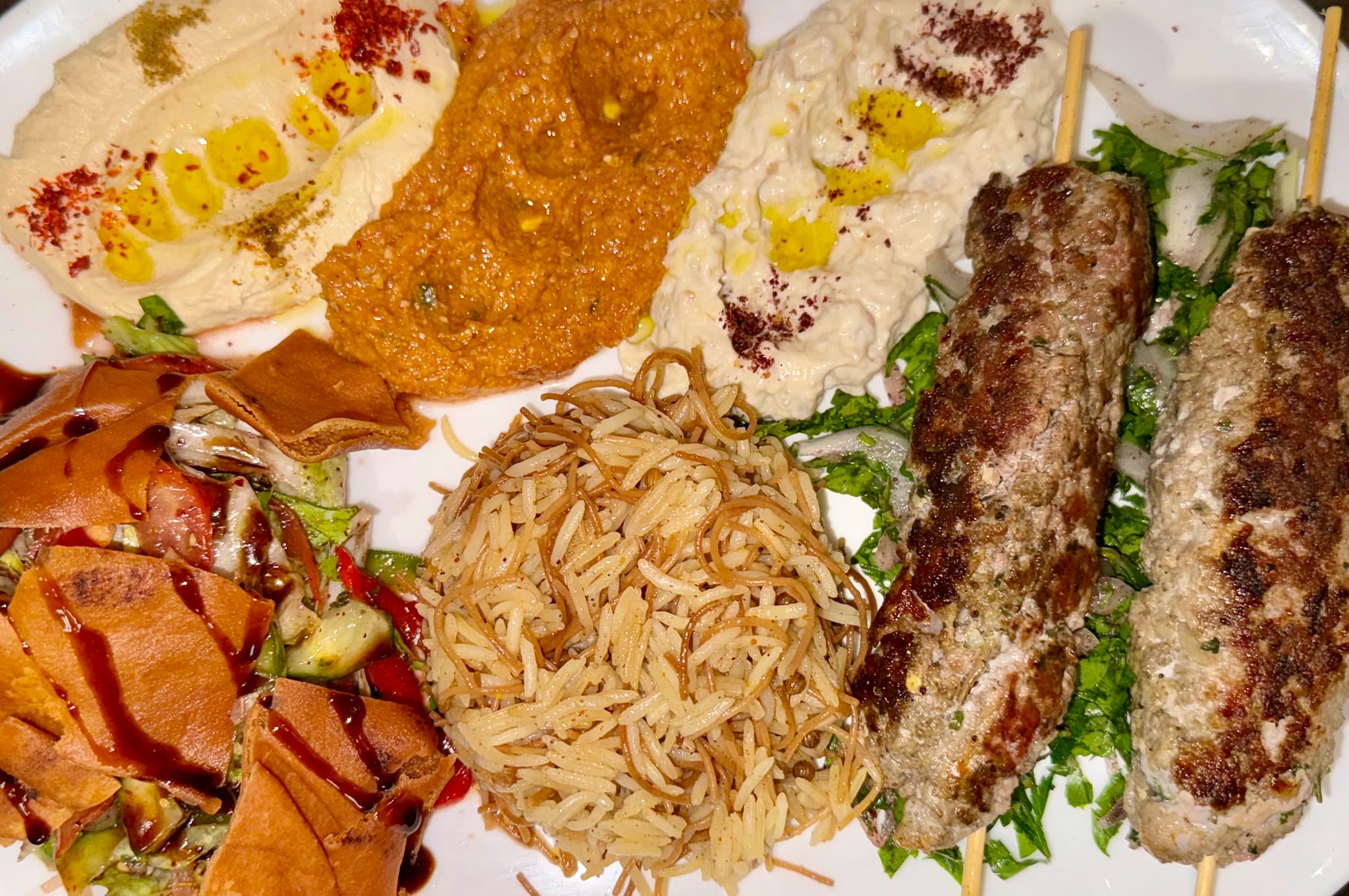
Grainy hummus almost always comes from undercooked chickpeas, not the recipe. Cook them well beyond comfortable.
Then blend long with a little cooking water to whip air in. Good tahini does the rest. For us it is patience, repeated every morning.
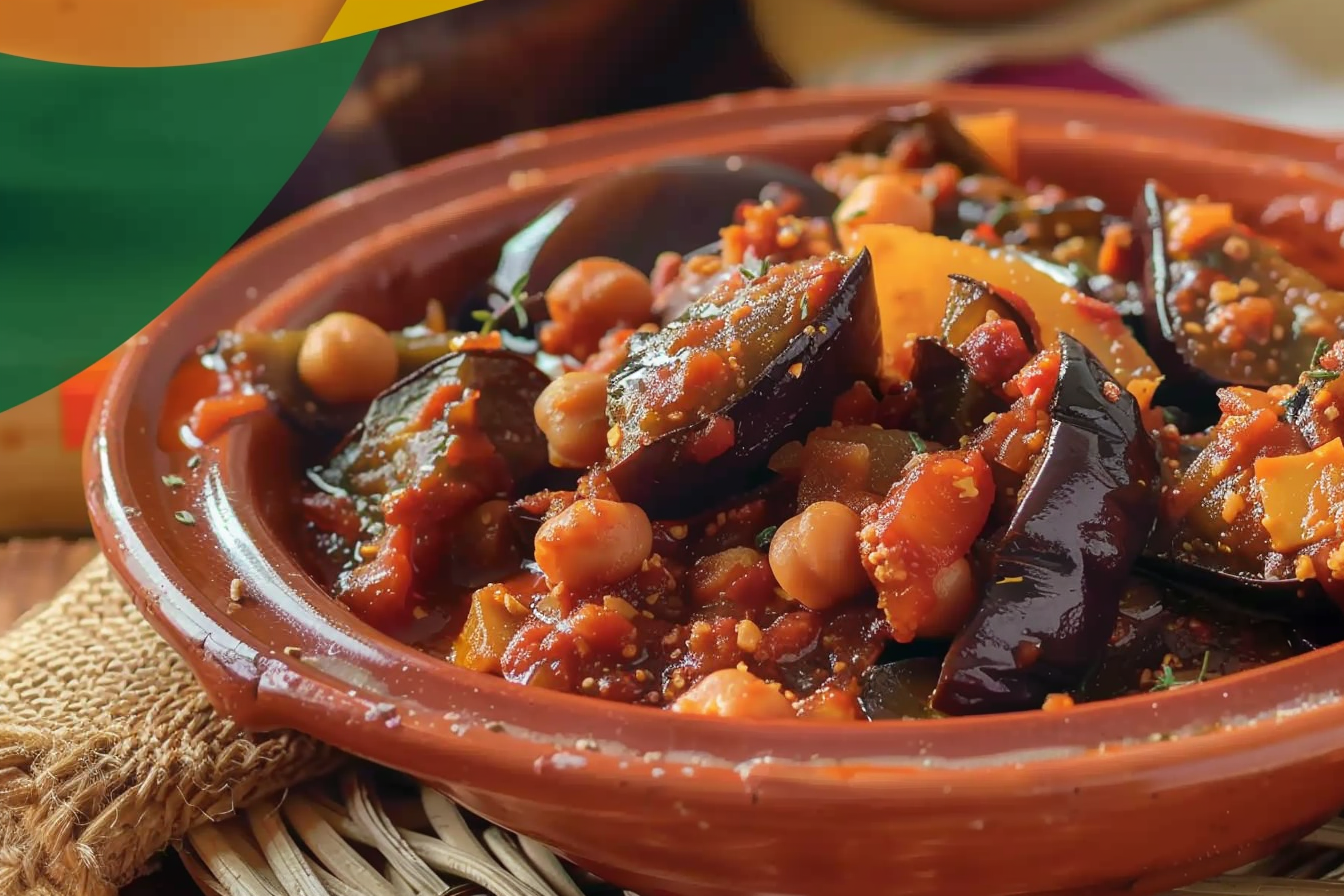
The most stubborn confusion, rarely settled online. It all comes down to one question: what is the base?
The key: hummus is chickpea; moutabal and baba ganoush are smoky grilled eggplant.
Hummus is meant to be shared. Placed at the centre, dipped with warm Lebanese bread by everyone in turn.
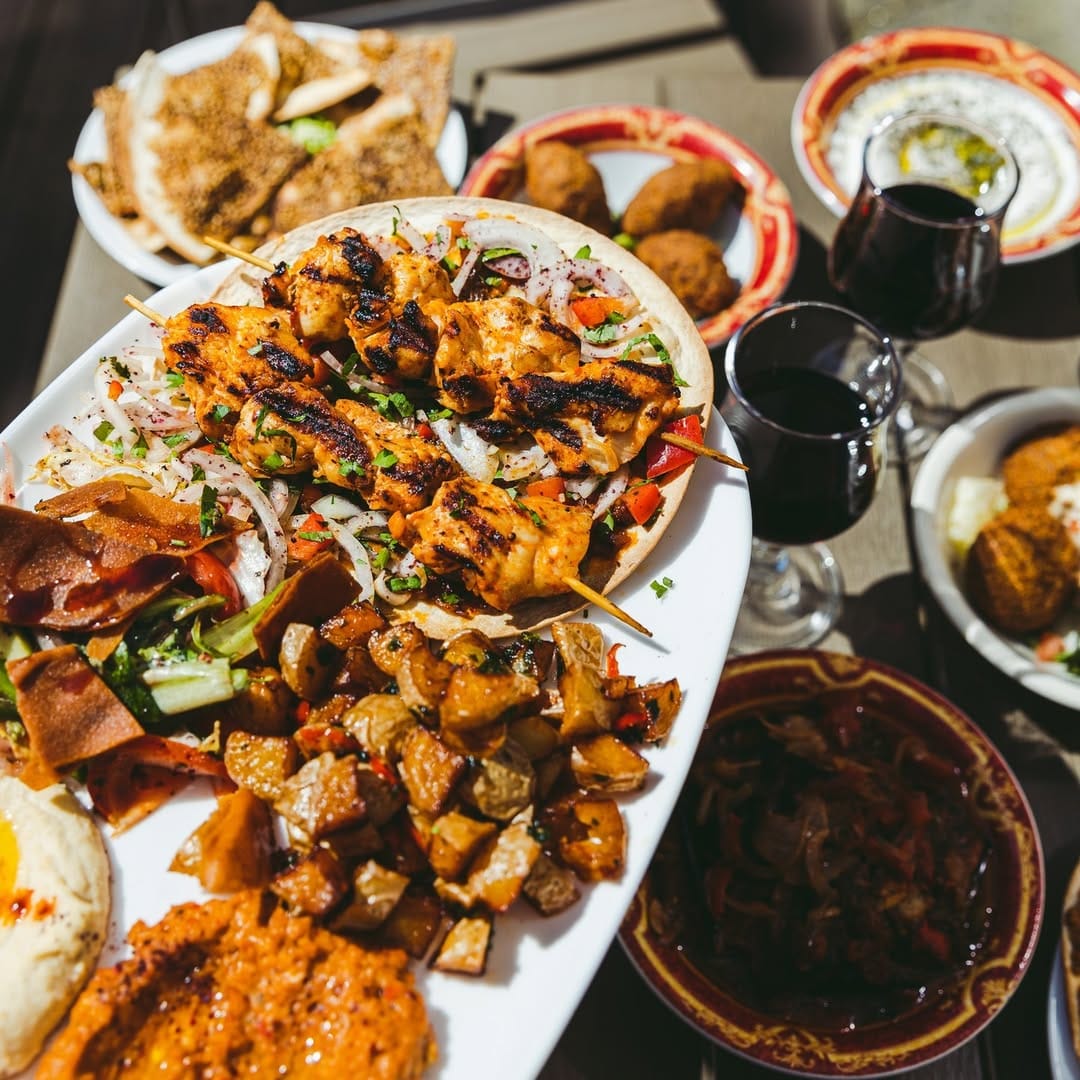
Served as mezze beside tabbouleh, falafel and a grill, its gentle sweetness balances the livelier flavours around it.
Want to go further in the art of sharing? Discover the must-try mezze
Most disappointing hummus fails on the same details.
The number one error: a firm chickpea will never turn smooth.
Rancid or too bitter tahini dominates everything.
Without time and a little water, the puree stays heavy.
Garlic should support, not overpower.
Le Cedre is the first Lebanese restaurant in Nantes, open since 1988. Our hummus is made fresh, like nearly all our menu.
So if you want a real hummus without cooking it yourself, you know where to find us, on rue Kervegan, at the heart of the mezze.
To meet the house behind it, discover our Lebanese restaurant in Nantes
Hummus is chickpea puree with tahini, lemon and garlic. Moutabal and baba ganoush are based on smoky grilled eggplant. Chickpea on one side, eggplant on the other.
You can, but it will not really be Lebanese hummus: tahini brings the silkiness and the signature sesame note.
Well-cooked chickpeas, long blending, and a little cold cooking water to whip the puree. Good tahini completes it.
Yes. Traditional hummus contains only plant ingredients, so it suits vegetarian and vegan diets.
Warm Lebanese flatbread, torn to scoop the puree. A warm pita works perfectly too.
Yes, it keeps well in the fridge for a few days. Bring it out before serving and add olive oil at the last moment.
At Le Cedre, rue Kervegan, the first Lebanese restaurant in Nantes since 1988, made fresh and served within the mezze.
This hummus is only a doorway. Keep discovering the Lebanese table, or come and live it with us.
And to build your next table, browse our mezzés libanais Nantes.
Lebanese hummus recipe, the secret to its silkiness and the difference between hummus, moutabal and baba ganoush, by Le Cedre, the first Lebanese restaurant in Nantes since 1988, rue Kervegan.