Baklava, a Lebanese dessert
Filo pastry, pistachios and fragrant syrup: where baklava comes from, how it is layered and why it closes a Lebanese meal so well.
Guides, landmarks and recipes written in the kitchen on rue Kervegan by the team of the first Lebanese restaurant in Nantes.
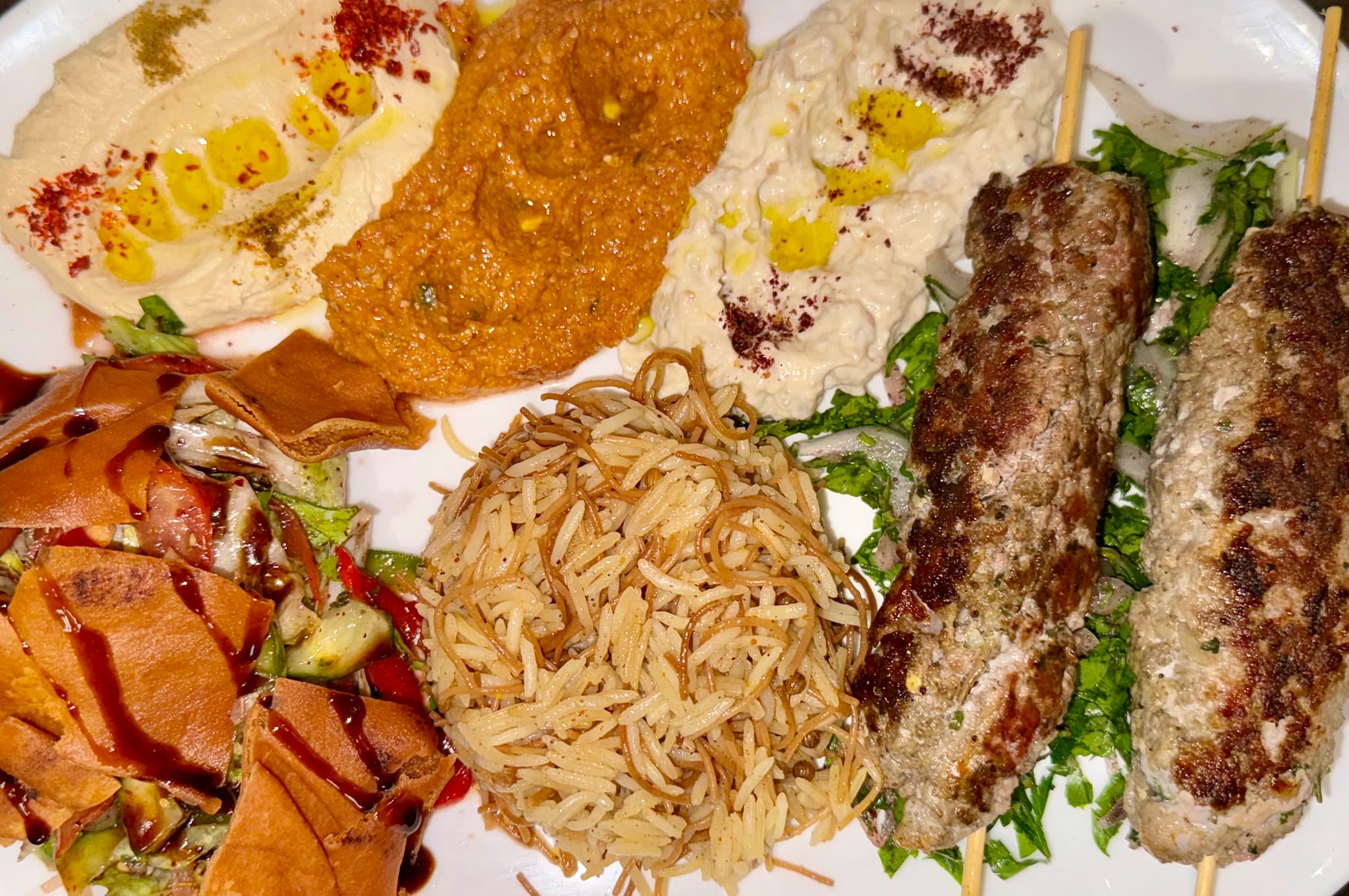
Lebanese cuisine is rarely read dish by dish: it makes sense as a whole table, where mezze arrive together, are shared and answer one another. This journal explains those habits plainly, without jargon.
Each article starts from a question our guests ask in the dining room — what a mezze really is, the difference between hot and cold ones, how much bulgur belongs in tabbouleh — and answers it with what we have been cooking every day since 1988.
Filo pastry, pistachios and fragrant syrup: where baklava comes from, how it is layered and why it closes a Lebanese meal so well.
Fine bulgur, minced meat, onion and pine nuts: kibbeh, an emblem of the Lebanese table, served fried, raw or on a tray.
How to balance a table between cold and hot mezze, and in which order to bring them out so nothing goes cold.
Hummus, tabbouleh, moutabal, falafel, fatayer: our selection of the mezze to try at least once when discovering Lebanon.
A mezze is not a starter: it is a way of eating, sharing and taking your time. Explained in a few lines.
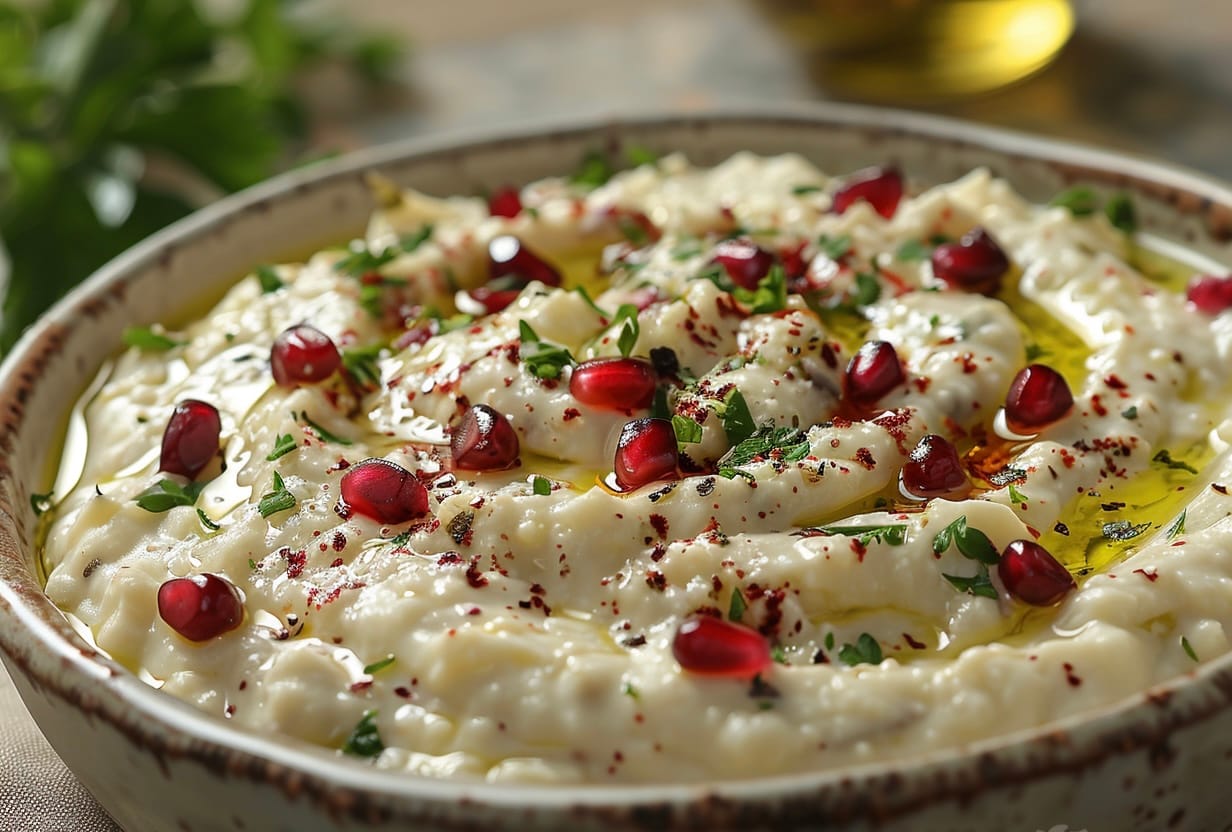
Eggplant grilled until the skin blackens, tahini and lemon: the homemade baba ganoush recipe, and the difference with moutabal and hummus finally made clear.
Lots of parsley, very little bulgur: the real Lebanese tabbouleh recipe, step by step, exactly as we make it in the kitchen.
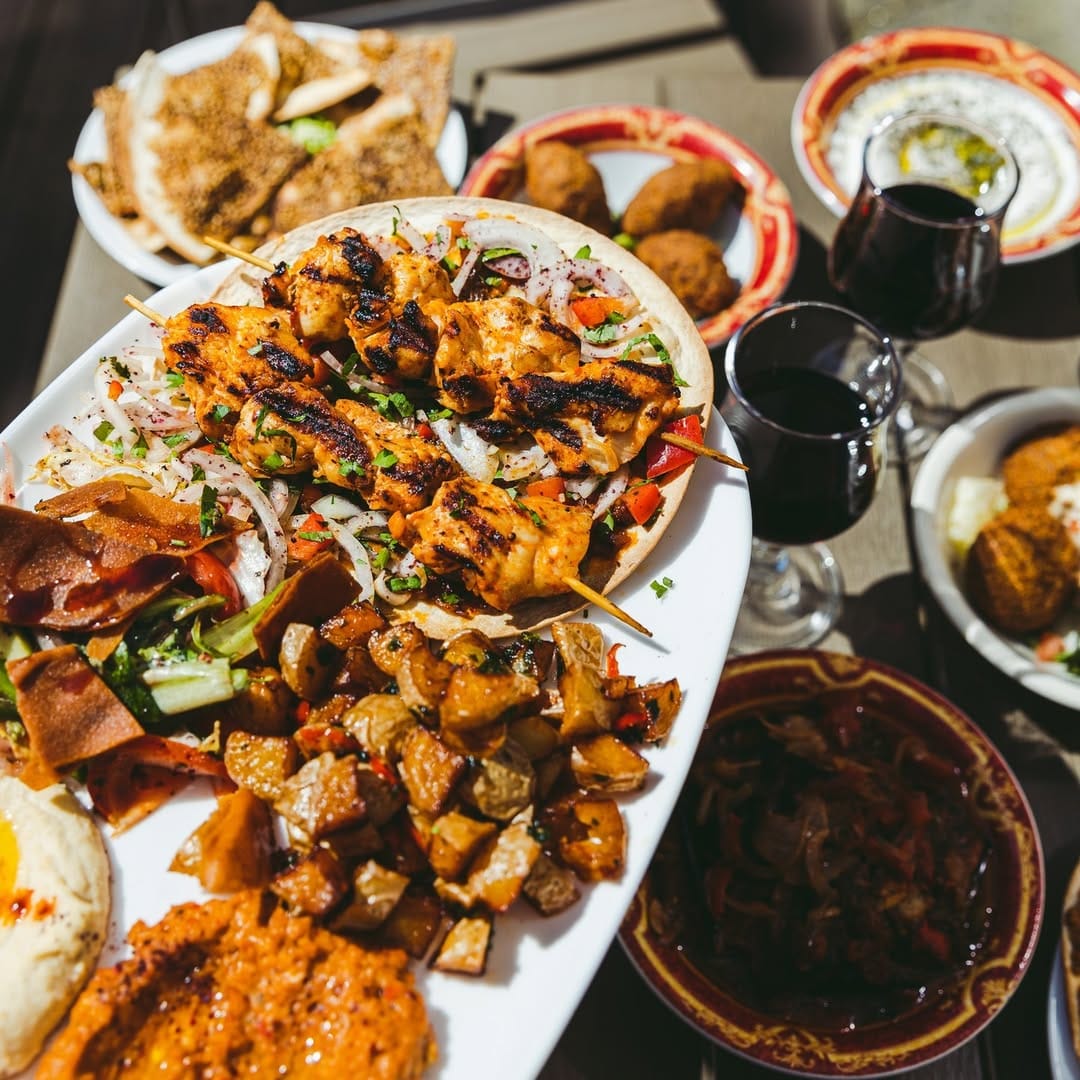
The best way to understand Lebanese cuisine is still to sit down at the table. Book at 20 rue Kervegan, or browse the menu before you come.