
Cinsault
Fruit and suppleness, the Bekaa's historic grape.
Reading time: 10 minutes
Key takeaways
Most of the best Lebanese wines come from the Bekaa Valley, a high plateau where sunny days and cool nights give ripe yet balanced wines. Reds dominate (cabernet sauvignon, syrah, cinsault, carignan), alongside whites from native obeideh and merwah. Château Ksara, Château Musar and Château Kefraya are the historic names. Arak, an aniseed grape spirit, traditionally goes with mezze.
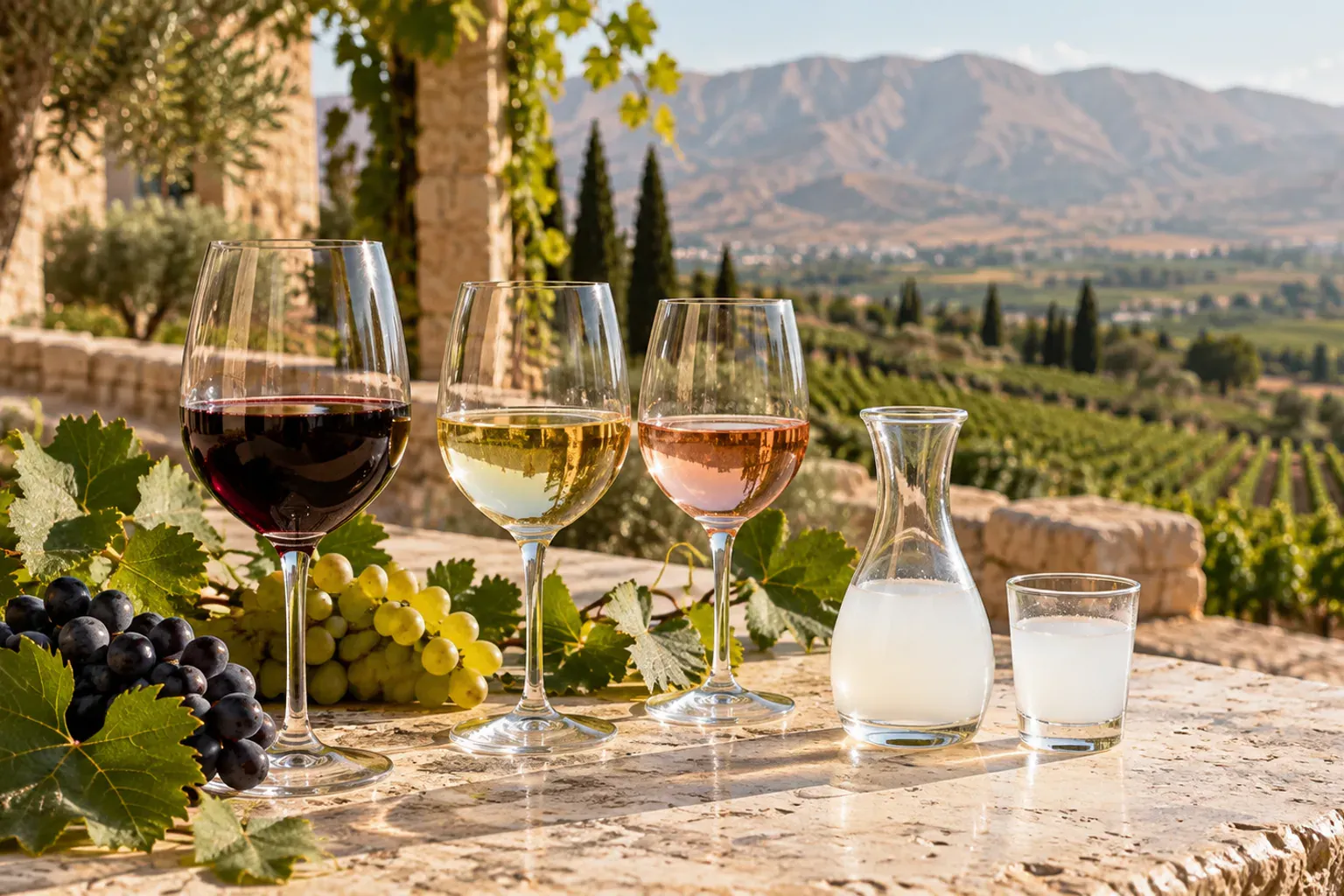
Lebanon is one of the oldest wine countries in the world, yet it remains little known in France.
This guide explains the history, the Bekaa terroir, the grapes and the estates so you can choose with confidence.
Phoenician traders shipped wine across the Mediterranean.
The Roman temple of Bacchus in Baalbek still stands in the Bekaa.
Estates such as Ksara and Musar shaped modern Lebanese wine.
Several kept making wine through the 1975–1990 civil war.
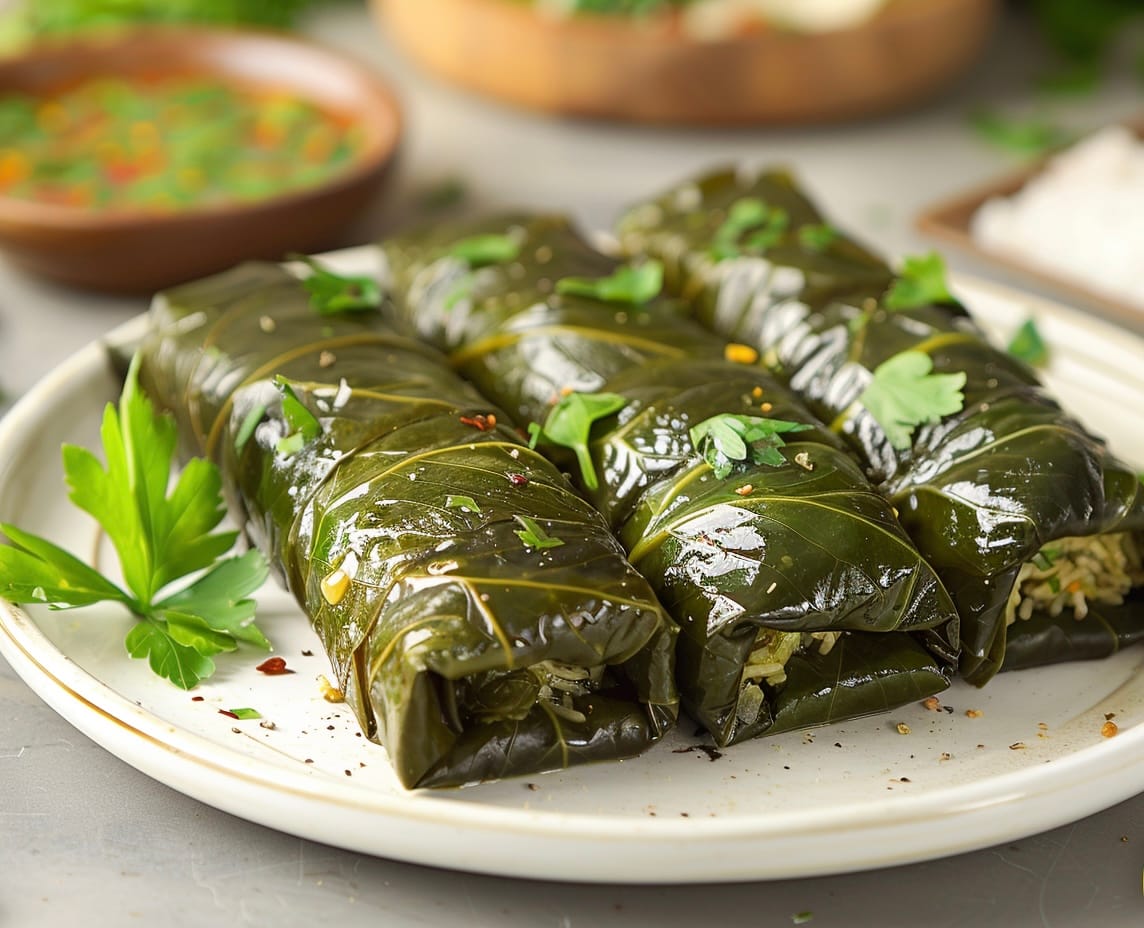
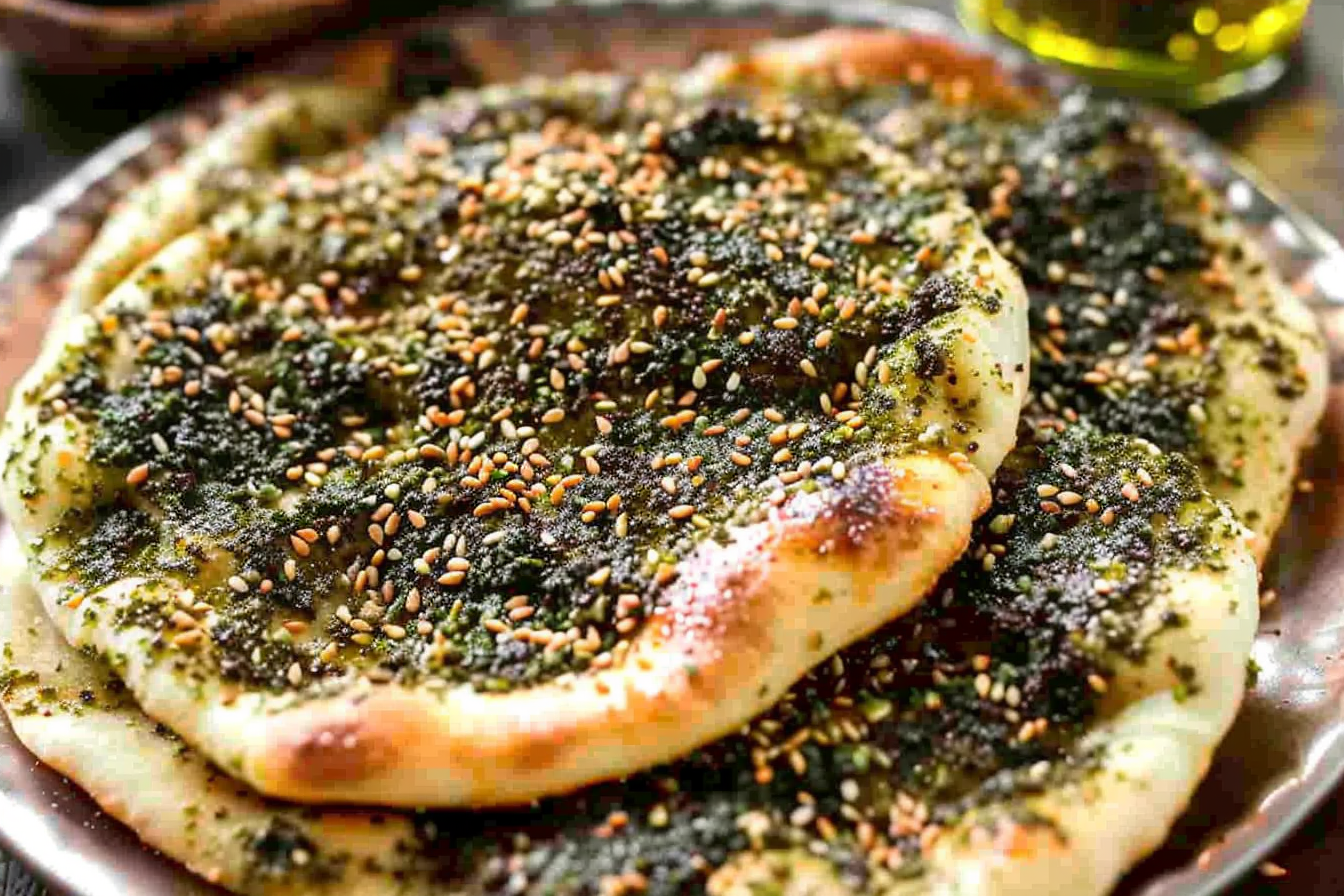
Vines often grow around 1,000 metres between two mountain ranges.
The result: ripe fruit with freshness.
Batroun and Mount Lebanon offer a slightly fresher style.
Most Lebanese wines are blends of French and native grapes.
Cinsault
Fruit and suppleness, the Bekaa's historic grape.
Cabernet sauvignon
Structure and ageing potential.
Obeideh
Floral and subtle, also used for arak.
Merwah
Textured whites that can age.
Chardonnay, sauvignon blanc and syrah are grown too.
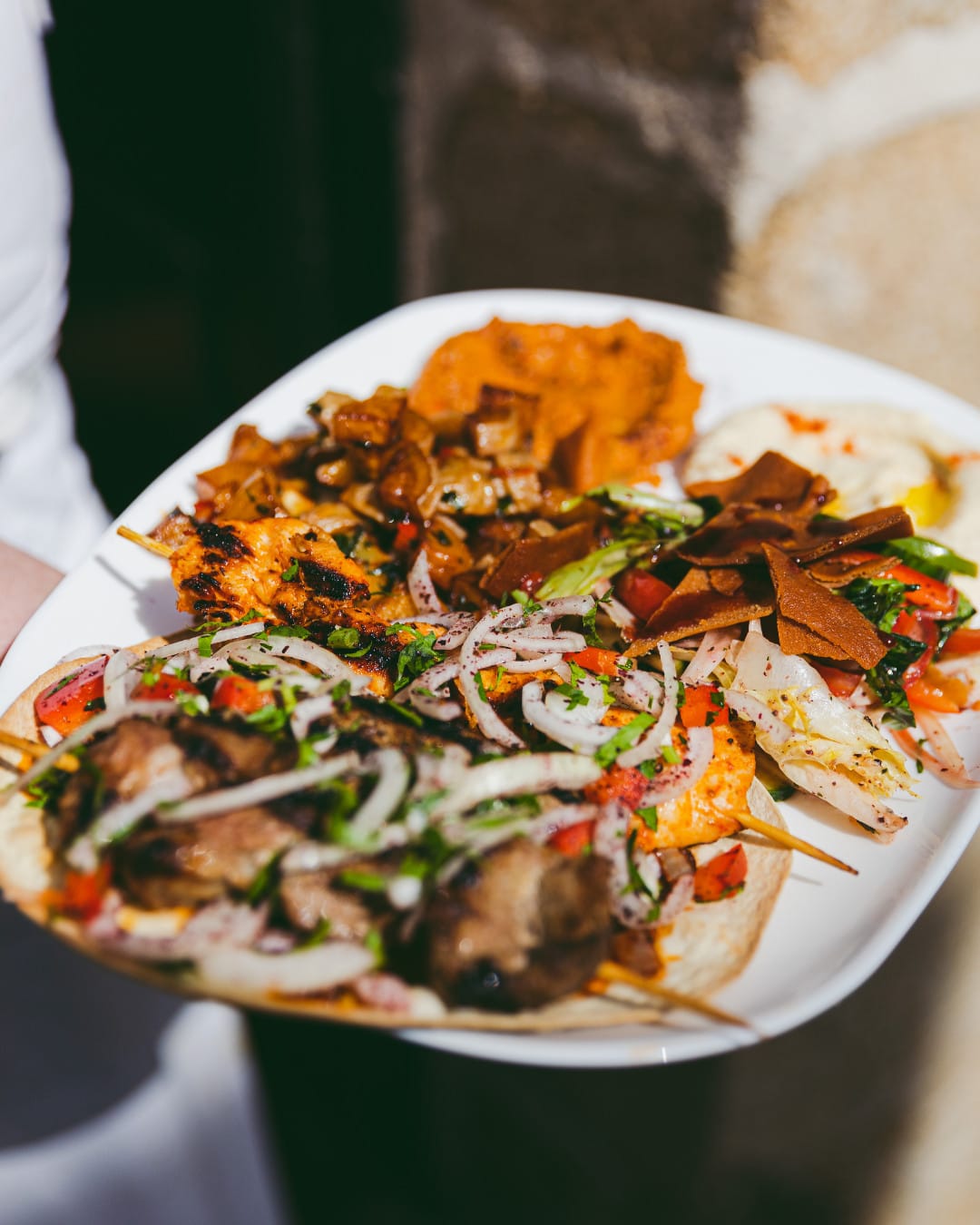
Ripe dark fruit, gentle spice and a generous palate.
Top cuvées can age ten years or more.
A natural match for grilled meats.
Serving temperature
Serve around 16–18 °C; decant young, powerful reds.
Obeideh and merwah whites are round and floral.
Cinsault rosés are pale and refreshing; serve at 8–12 °C.
A nice change for an evening for two.
A few historic houses serve as landmarks.
This is not a ranking: style matters more than name.
Founded in 1857 by Jesuit fathers in the Bekaa.
Founded in 1930 by Gaston Hochar, known for long-ageing reds.
Family estate in the western Bekaa.
Arak is a grape spirit flavoured with aniseed.
Add water, then ice: it turns milky white.
It is traditionally served with mezze.
Four simple criteria are enough.
Match it to the season and the meal.
Cabernet for structure, cinsault for suppleness.
Recent vintages for whites; set a price range.
And simply ask for advice.
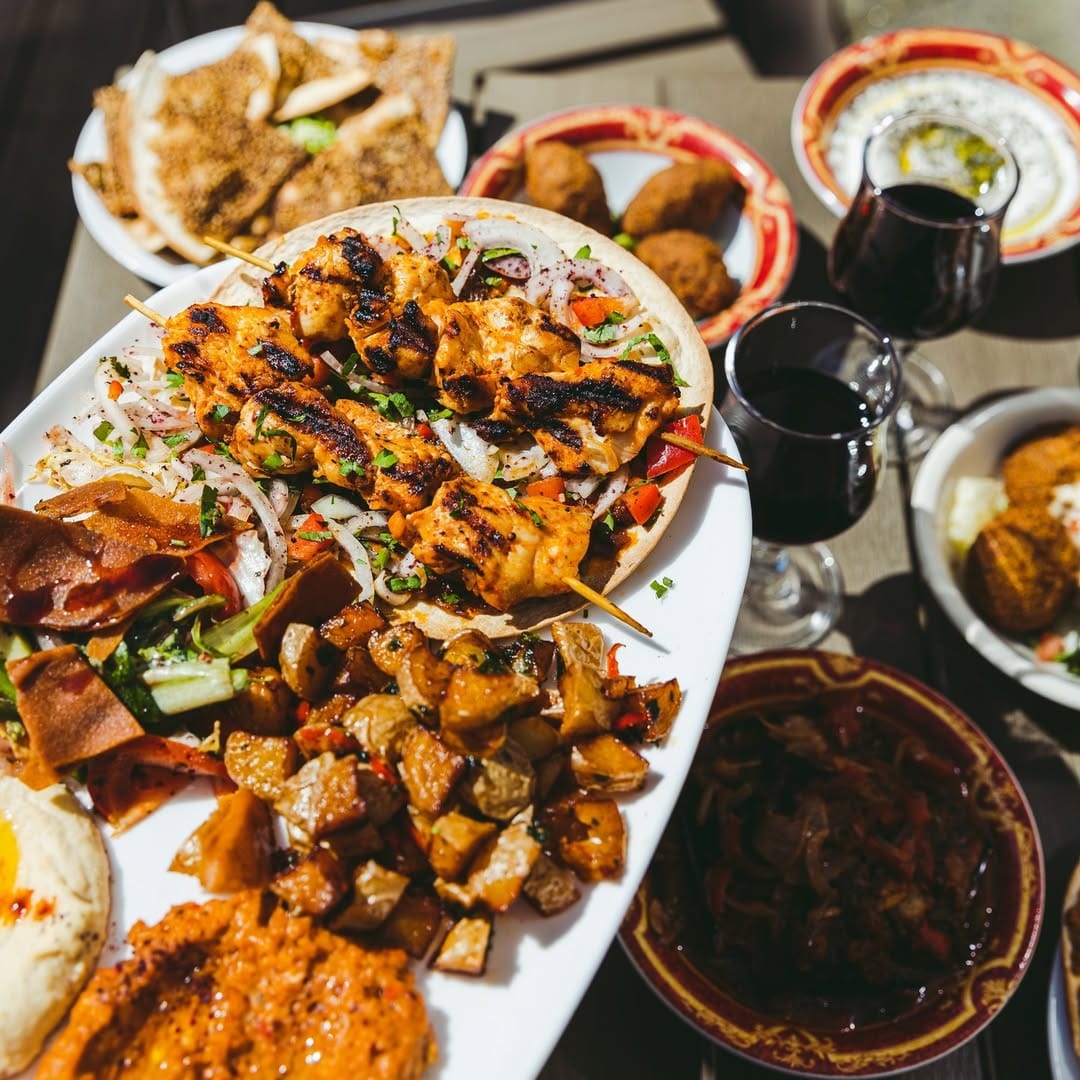
Le Cèdre, Nantes' first Lebanese restaurant since 1988, offers a selection of Lebanese wines.
The team will gladly advise you.
See our selection of Lebanese wines or the full menu.
Yes. The high-altitude Bekaa produces ripe, balanced wines from respected estates.
Château Musar is the best known abroad, alongside Ksara and Kefraya.
Wine is fermented grape juice; arak is a distilled, aniseed-flavoured spirit.
Cinsault, cabernet sauvignon, syrah, carignan, and native obeideh and merwah.
Around 16–18 °C.
Fancy a Bekaa red with our grills?
Book your table on rue Kervegan.
Keep exploring
See our page vins du Liban Nantes. Food pairings will follow in a dedicated article.